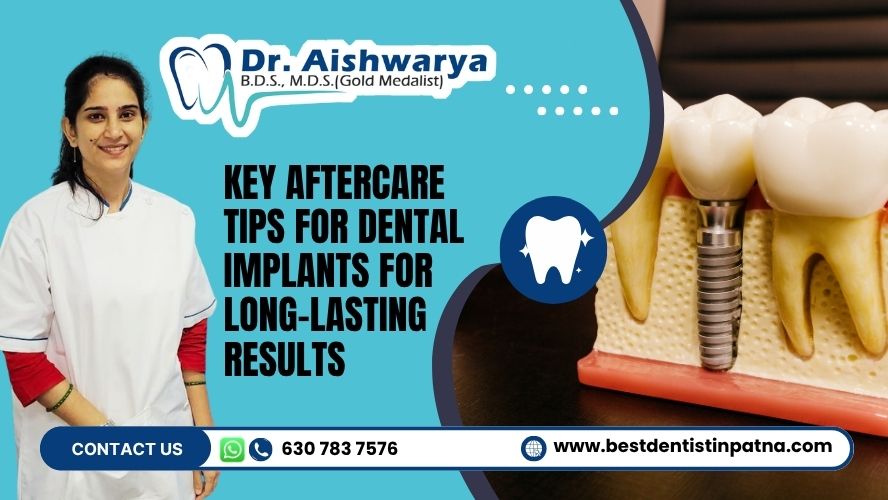
Dental implants are one of the most established treatments for missing teeth today. Not only do implants look, feel, bite, and function like real teeth, but with proper care, they can last a lifetime.
The success of dental implants is often dependent not only on the dentist’s skill in placing them, but also on the patient’s ability and commitment to maintaining healthy, functioning restorations. This is up to the patient, who must take proper care to ensure that their dental implants continue to function well for years to come.
Most of our patients are eager to complete the dental implant surgery and see the healed results the very next day. However, it is equally important to recollect that post-operative care is equally vital to the successful healing and implant stability.
Adopting healthy habits after dental implant surgery in Patna will prevent any possible complications and get you back to your normal life in no time. And that’s the smile you deserve to have for life.
What can I eat after dental implant surgery? This is a common question of our patients and their families. However, good aftercare involves more than just the diet.
Good aftercare involves oral hygiene, restriction of activities, follow-up appointments and ongoing maintenance. With these key elements, patients can ensure that their dental implants heal and function well for years to come.
Why is Aftercare Important for Dental Implants?
Dental implants are root-form replacements for teeth, consisting of a fixture (dental post) implanted in the jawbone and crowned by an artificial tooth (dental crown).
After a dental implant has been placed into the jawbone, it must go through a healing process during which time it is protected and allowed to integrate with the surrounding bone structure until it becomes a stable base for an artificial tooth.
Lack of aftercare can lead to:
- Risk of infection around the implant
- Slow healing time
- Failure of the implant
- Swelling of gums
- Loss of bone around the implant
Taking care of the tissue and gums that surround your dental implant as well as taking care of the dental implant itself, will help with the long term success of your implant. Aftercare will ensure that the implant functions properly and allows you to chew efficiently.
It can also correct any bite issues that you may have because of missing teeth or malocclusion. Your dentist will be able to provide you with more information about aftercare following your treatment.
Everyone these days when searching for dental implant treatment in Patna, considers its price but what they don’t understand is the price they have to bear after its placement for its maintenance.
10 Key Aftercare Tips for Dental Implants
1. Follow Post-Surgical Instructions Carefully
The single most important factor in your healing and successful rehabilitation will be your strict adherence to the postoperative instructions outlined by your surgeon and/or dentist.
Postoperative instructions are customized based on a variety of factors including the number of implants placed, the current oral status of the patient, and the inherent surgical complexity of a particular case.
Instructions may include:
- How to manage swelling
- Medication schedules
- When to resume brushing normally
- Foods to avoid during healing
Following these recommendations reduces risks and supports a smooth recovery.
2. Know What to Eat After Dental Implant Surgery
Dietary considerations are perhaps one of the most frequently asked questions we receive after implant placement. “What to eat after dental implant surgery?” is a question we get a lot, especially concerning the first couple of days.
It’s best to eat softer foods for a while, for example:
- Yogurt
- Mashed potatoes
- Soup (make sure it’s lukewarm, not hot)
- Smoothies
- Scrambled eggs
- Soft rice/porridge
Try to avoid:
- Hard or crunchy foods.
- Sticky foods.
- Very hot foods/beverages.
- Spicy foods (may irritate the surrounding tissues).
When your healing is further along, your dentist will give you the green light to eat normally again.
3. Maintain Gentle but Consistent Oral Hygiene
Don’t forget to brush your natural teeth! Practice good oral hygiene even with dentures.
- Brush around the implant site
- Brush with a soft toothbrush
- Rinse as instructed. This is usually an antimicrobial rinse.
- Floss every day
Correct oral hygiene is recommended to help prevent infection and maintain the gum and bone around your implant.
4. Avoid Smoking and Tobacco
Smoking affects circulation and can dramatically slow down the healing process. Tobacco use can also increase your chances of implant failure.
It’s particularly crucial that you avoid tobacco while you heal. However, decreasing or quitting long term will also benefit your implant.
5. Manage Swelling Properly
Minor swelling is normal following implant surgery. You can place a cold compress on your face for the first 24 hours if you feel discomfort.
Ice packs should be used for short periods of time. Be sure to follow all of your dentist’s instructions regarding reducing swelling and inflammation.
6. Do Not Disturb the Implant Site
Patients often unintentionally irritate surgical areas by placing their tongue against surgical areas, manipulating them with their fingers, or over-eating or over-chewing on the affected side of the face.
We must avoid excessive loading on the area where the single dental implant has been placed while it is healing. Stress on the tissue and the healing dental implant must be kept to a minimum. The stability of the dental implant during the early healing and osseointegration period is very important for the success of the implant.
7. Take Medications as Prescribed
Please make sure to take any prescribed antibiotics or pain medications exactly as directed.
It is important to complete the full treatment course and not miss any doses unless directed otherwise by the doctor. This will help to prevent any complications from infection and help you feel your best during your time here.
8. Avoid Heavy Physical Activity Initially
Activities such as heavy exercise or weight lifting and bending should be avoided as these will increase bleeding from the surgical site and may cause delay in healing.
Avoid:
- Intense exercise
- Heavy lifting
- Activities that raise blood pressure significantly
Rest is best at first when starting a running program.
9. Attend Follow-Up Appointments
After the dental implant is placed and allowed to settle, regular follow-up appointments are scheduled with your dentist. These appointments are to check on the healing of the dental implant and the full integration of the implant into your jawbone.
If something appears to be off during these checkups, your dentist could prescribe additional medication to help treat the problem. This means not just that your implants and missing teeth are functioning well, but also that any bite problems are corrected and your new teeth are properly aligned.
10. Protect Against Teeth Grinding
Teeth grinding or jaw clenching can add unwanted strain to dental implants.
In some cases your dentist may suggest you wear a night guard to protect both your natural teeth and your implant restorations from forces of biting or grinding that could cause damage.
Long-Term Maintenance of Dental Implants
After the healing period is over, comes the long-term. Ongoing care is important to keep your dental implants healthy.
1. Maintain Daily Oral Hygiene
Dental implants are made of metal and ceramics, making them highly durable and resistant to breakdown. However, the gums and bone around them can fall ill.
Continue:
- Brushing twice daily
- Flossing around implants
- Professional cleanings at recommended intervals
Healthy gums are essential for healthy implants.
2. Monitor Your Bite
Dental implants can be used to correct bite problems and help achieve overall dental balance and aesthetics. However, to maintain overall oral health, the bite forces must be evenly distributed throughout the years.
If you notice any signs of pain or discomfort while chewing or pressure changes, seek treatment as soon as possible.
3. Watch for Warning Signs
While modern procedures where dental implant fix bite problems have a high success rate, there are some usual and not so pleasant symptoms that should not be ignored.
- Bleeding around implants
- Gum swelling
- Persistent pain
- Implant mobility
- Difficulty chewing
Early intervention helps prevent complications.
4. Schedule Regular Professional Check-Ups
These types of check-ups and screening are not be postponed if you are feeling well.
During these visits, your dentist can:
- Assess implant stability
- Evaluate gum health
- Check bite alignment
- Detect issues before they become serious
These dental implants crowns need to be cleaned regularly.
How Dr. Aishwarya Helps You Through Implant Recovery?
Implant success doesn’t stop at placement. Dr. Aishwarya believes follow-up care and maintenance are equally as crucial as accurate placement of the implant itself.
This involves:
- Customized post-op care instructions
- Specific nutritional instructions, such as foods to avoid after dental implant surgery
- Checking in on your healing and integration
- Assessing bite function if implants are used to correct bite issues
- Continued maintenance planning unique to you
Dr. Aishwarya considers the actual implant surgery only the first part of a larger plan for your healthy, stable, and lasting teeth.
Patients often consider dental implant cost in Patna, but expert planning and aftercare support also play a major role in treatment success and long-term value.
Conclusion
Dental implants are a great way to replace missing teeth and can look very natural. But to make sure they last, you need to take good care of them after the surgery. This means being careful about what you eat, keeping your mouth clean, and going to your dentist for regular check-ups.
All these things are important for helping your mouth heal and keeping your implant stable. If you do everything right, your dental implant can last for a long time and you can have a healthy, happy smile.
To get the most out of your dental implants, it’s crucial to follow some key tips after the procedure. This will help minimize any potential complications, keep the surrounding tissues healthy, and make sure your implants last for a long time.
It’s especially important if you’re using implants not just to replace missing teeth, but also to fix issues with your bite and get your whole mouth back in balance. By taking good care of your implants, you can enjoy a healthy, comfortable smile for years to come.
With the right care and maintenance, patients can get great results from dental implant treatment. Dr. Aishwarya and other experienced professionals in Patna can help guide you through the process. By following their advice, you can have strong and healthy teeth for a long time. Regular check-ups and good oral hygiene are key to making sure your dental implants last.
Taking good care of your dental implants now will help them keep your mouth healthy and your smile looking great for years to come.