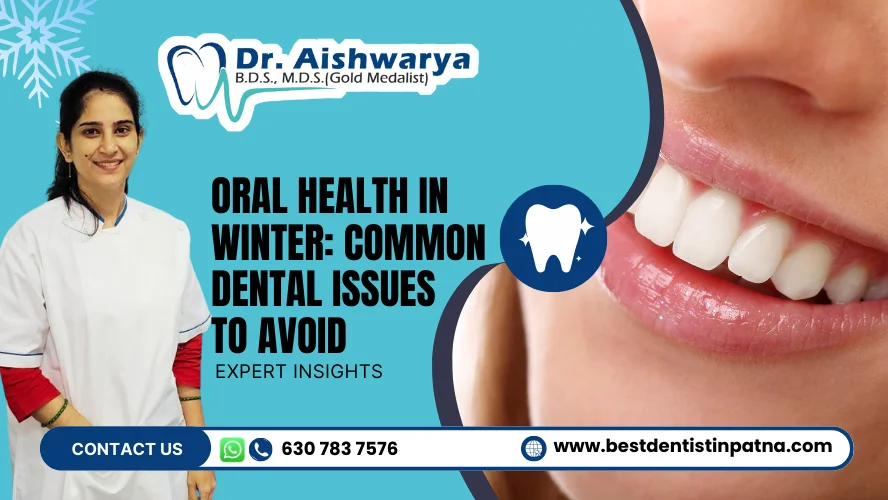
The winter season brings pleasant cold temperatures, comfortable mornings and festive flavors though your oral health may not feel the same about the chill. The combination of lower temperatures, dry air, and rapid temperature changes between hot and cold environments, leads to negative effects on dental health. The winter season brings more dental problems to many people who experience tooth sensitivity, gum discomfort and dental issues that become worse when left untreated.
The combination of winter weather with decreased water consumption, comfort food desires, and a weakened body’s defense system creates perfect conditions for dental health problems to develop. Having prior awareness of these common dental problems enables you to protect your teeth and gums during the winter months while preventing painful dental issues.
In this blog, we’ll explore the common dental problems which occur in winter seasons along with the steps to avoid these dental problems to stay healthy in winter.
6 Dental Issues of Winter You Should Know and Avoid
The following section examines the top six dental problems which occur during the winter months together with methods to prevent them.
1. Tooth Sensitivity in Cold Weather
One of the main winter dental issue people experience is tooth sensitivity which occurs when they encounter cold air or eat cold foods. The enamel layer of teeth shrinks when temperatures decrease which reveals dentin through small cracks that become sensitive to cold temperatures. Gum recession that unveils tooth surfaces results in heightened sensitivity. The sensation of cold air, cold water, and chilled foods triggers intense pain in the teeth that affects you. Sensitivity condition will intensify when you do not receive proper treatment, and it can cause enamel deterioration and tooth decay.
How to avoid it:
- Use a desensitizing toothpaste.
- Avoid extremely cold foods.
- Rinse with warm water instead of cold water.
- Get fluoride treatments if needed.
Dr. Aishwarya, B.D.S., M.D.S. (Gold Medalist) performs detailed examinations to identify sensitivity that causes before delivering personalized treatments which include fluoride varnish, bonding and gum protection to defend your enamel and minimize discomfort.
2. Dry Mouth (Xerostomia)
The combination of winter cold temperatures with indoor heating systems produces dry air that dries out your mouth. The decrease in saliva production leads to dry mouth which affects people. Less saliva production makes it harder to remove food bits and bacteria which leads to higher risks of developing cavities, gum disease, bad breath, and mouth sores.
How to avoid it:
- Sip water frequently
- Use a humidifier at home
- Avoid alcohol-based mouthwashes
- Chew sugar-free gum
Dr. Aishwarya provides customized treatments which include saliva stimulants, hydration plans, and mouth moisturizers to help patients maintain proper oral moisture levels.
3. Cracked Tooth Pain

The repeated temperature changes between hot and cold cause teeth to develop small cracks which dentists call craze lines. The development of deep tooth cracks from small cracks leads to tooth pain which occurs when patients bite or chew their food.
When you intake winter snacks, including nuts, hard candies, and brittle treats will make these tooth cracks more severe. When you ignore cracked teeth, it may create severe conditions for oral health and force you to undergo fillings, crowns, or root canal therapy.
How to avoid it:
- Avoid biting hard foods like nuts or ice
- Don’t use teeth as tools
- Wear a night guard if you grind your teeth
Dr. Aishwarya performs advanced diagnostic tests to detect small tooth cracks before starting treatment with bonding, dental crowns, or root canal treatment when necessary to stop further tooth damage.
4. The risk of Tooth Decay and Cavities
People tend to choose comfort foods during winter, including hot chocolate drinks, sweets, sticky snacks, and sugary drinks. The combination of dry mouth and less frequent brushing during cold winter mornings creates an environment where tooth decay becomes more common. Bacteria need sugars to survive, and winter activities create conditions which help bacteria multiply. The development of cavities becomes rapid during this season unless patients receive early treatment.
How to avoid it:
- Limit sugary foods
- Brush after eating sweets
- Maintain proper hydration
Dr. Aishwarya teaches patients about their food options while performing fluoride treatments and dental cleaning procedures for prevention.
5. Gum Pain After Tooth Extraction
The tooth extraction process can cause gum pain, which persists after healing. Your treated area takes longer to heal during winter because blood flow decreases and the immune system weakens. People who underwent dental procedures, including extractions, might experience prolonged gum pain after their teeth extraction during the winter months.
The healing process of the extraction site becomes worse when patients consume cold beverages and foods while ignoring their post-extraction instructions.
How to avoid it:
- Follow proper post-extraction care
- Avoid cold foods and drinks
- Maintain gentle oral hygiene
- Keep your body warm and hydrated
Dr. Aishwarya examines to check for infections in the affected area before starting treatment to help the healing process.
6. Gum Inflammation and Bleeding
Winter brings about swollen gums which become painful and start bleeding for numerous people. The combination of dehydration, vitamin deficiencies, and exposure to cold temperatures leads to gum inflammation and bleeding. Your body requires sufficient fluids to keep gum tissues hydrated because dryness makes them more susceptible to irritation.
The practice of skipping morning toothbrushing because of cold water exposure leads to increased chances of gum problems and tooth plaque accumulation.
How to avoid it:
- Drink enough water
- Use an alcohol-free mouthwash
- Don’t skip brushing during winter mornings
- Eat vitamin C-rich foods
Dr. Aishwarya specializes in gum care and delivers deep cleaning procedures and individualized treatment plans for gum therapy.
The muscles in the body tighten up when cold weather arrives which includes the jaw muscles. People who have TMJ problems or grind their teeth at night will experience increased jaw discomfort, headaches and mouth stiffness during the winter months. The combination of winter fatigue with stress leads to increased jaw tension.
Smart Winter Oral Care Tips You Should Follow

Winter Dental Care requires specific measures to protect your teeth from damage. The following essential tips for winter dental care will help you prevent most of the winter dental problems.
- Brush your teeth twice each day with fluoride toothpaste
- Use lukewarm water for brushing
- Stay hydrated even if you don’t feel thirsty
- Avoid sticky sweets and sugary beverages
- Use a humidifier to combat dry indoor air
- Visit your dentist for winter check-ups
- Use lip balm to prevent chapped lips
- Chew sugar-free gum to increase saliva
- Avoid biting hard foods
- Protect your teeth from extreme temperature changes
The implementation of these preventive measures will enable you to experience a winter season without dental pain.
How Dr. Aishwarya Helps Maintain Oral Health in Winter?
Dr. Aishwarya B.D.S. M.D.S. (Gold Medalist) provides patients with dental care services in Patna to protect their oral health during the winter months. As the best dentist in Patna, she delivers the following winter-related dental services to her patients.
- Accurate Diagnosis: Use advanced equipment to detect the specific reason behind dental sensitivity, pain, and gum problems.
- Personalised Treatment Plans: Develops specific treatment plans for every patient who needs help with their cracked tooth pain or their sore gums following an extraction procedure.
- Preventive Dental Care: Provides patients with scheduled check-ups to stop winter dental complications from developing.
- Advanced Restoration Services: Performs winter-related dental damage repairs through fillings and crowns and RCT, and additional sophisticated dental procedures.
- Patient Education: Provides individualized winter oral care instructions and lifestyle modifications to her patients.
Dr. Aishwarya protects your oral health from winter extremes through her combination of advanced technology and gentle dental practice.
Conclusion
Your teeth and gums face winter challenges; however, following proper dental care tips combined with immediate dental treatment helps stop you from experiencing pain and severe dental complications. Your ability to protect your oral health depends on your understanding of winter dental problems and how you treat them which include tooth sensitivity, dry mouth, sore gums and cracked tooth pain.
If you are suffering from dental problems due to the cold temperatures, you should consult Dr. Aishwarya BDS, MDS (Gold Medalist) in Patna to get rid of winter-related dental problems. Dr. Aishwarya, through her years of experience and practice, offers dental care against your dental problem that arises in winter.
Book your consultation or visit today at Dr. Aishwarya BDS, MDS (Gold Medalist) to protect your oral health and smile this winter.