Crowns are a common method for restoring and protecting teeth that have been damaged, weakened by decay, or trauma. It also provides support to your tooth in both its chewing and aesthetically pleasing functions.
Some patients with crowns may have pain or discomfort in the gum area surrounding their crowned tooth. Therefore, many patients may find it surprising that they are experiencing pain in this area. There can be varying degrees of time that you may feel pain from your crown; it could be just for a little while (short term) but there could also be longer lasting discomfort (long term).
Regardless, if you are experiencing pain in your crowned tooth, you should contact your dentist immediately so they can examine your crown and determine what is causing the pain.
In this blog, we will explain why dental crowns cause pain along with the necessary symptoms and available treatment options.
What is a Dental Crown and Why Do You Need One?
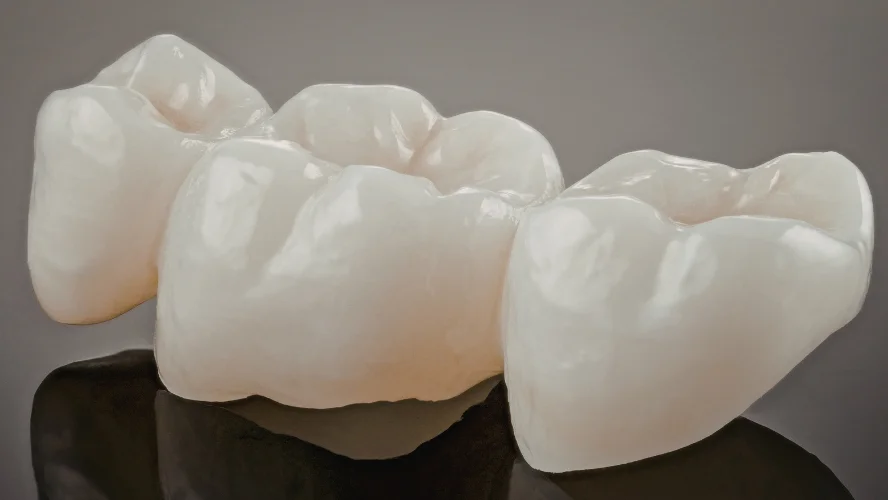
A dental crown is a tooth-shaped “cap” that is placed over a tooth, It helps to cover the entire visible area of the tooth. Most of the dentists uses crowns in order to restore the shape of teeth and protect damaged teeth so that they can function normally.
Crowns are used to repair and strengthen teeth that have:
- Extensive decay
- Cracks or fractures
- Root canal treatment
- Large fillings that have left the tooth weakened
- Cosmetic improvement
- Lost teeth (crowns are used as implants or bridges to replace missing teeth)
Crowns last as long as your natural teeth if they are properly taken care of. But, like natural teeth, crowns can develop issues during their lifetime. If you’re experiencing any pain in the crown region, it signals that the tooth underneath or the surrounding areas under the crown need a dental checkup.
Why Does My Crown Hurt? Common Reasons Explained
A crowned tooth can experience pain because of various factors. Determining the causes is important to ensure the right medical procedures are taken.
1. Tooth Decay Under the Crown
The natural part of the tooth is not fully protected by the crown and is prone to cavities. When dental hygiene is neglected and crown edges deteriorate, it allows bacteria to enter and cause tooth decay under crown.
Signs:
- Mild to severe sensitivity
- Constant dull pain
- Food particles trapped at the sides of the crown
Solution: The treatment for early stages involves crown cleaning followed by new crown installation. Root canal treatment becomes necessary when decay reaches an advanced stage.
2. Loose or Damaged Crown
Chipping, wear and tear, and grinding/crackdown adhesive failures result in the loosening of the crown. A crown that does not fit properly will cause tooth sensitivity because it leaves the tooth structure exposed.
Signs:
- Pain while chewing
- Crown movement when touched
- Food getting trapped frequently
Solution: The dentist will determine if the crown needs recementing or replacement based on its current condition.
3. High Bite or Improper Fit
A crown that extends above your natural bite creates pressure during chewing, which results in discomfort.
Signs:
- Sharp pain during biting down
- Uneven tooth contact
- Pain right after crown placement
Solution: The dentist can perform a quick bite adjustment to resolve this issue. A high crown requires immediate attention because prolonged pressure can result in tooth fractures.
4. Gum Infection or Inflammation
The presence of redness or swelling near a crowned tooth indicates gum problems which often stem from inadequate flossing near crown edges.
Signs:
- Swollen gums
- Bleeding during brushing
- Persistent bad breath
Solution: The problem can be solved with professional dental cleaning in Patna and better oral hygiene practices.
5. Root Canal Infection
The crowned tooth becomes infected again when bacteria successfully enter the tooth after a root canal procedure.
Signs:
- Throbbing tooth pain
- Swelling near the tooth
- Pus formation or tenderness
Solution: The treatment for this condition requires either root canal retreatment or surgical intervention.
6. Teeth Grinding (Bruxism)
The unconscious teeth clenching and grinding of people leads to crown pressure which results in jaw muscle pain and crown edge discomfort.
Signs:
- The first sign of tooth or jaw pain appears during morning hours.
- Headaches
- The teeth show signs of wear and their structure has developed cracks.
Solution: The treatment for this condition includes wearing night guards together with orthodontic bite correction.
Symptoms That Indicate Crown Problems
Any ongoing dental pain requires immediate dental evaluation because it will not resolve on its own. The following symptoms indicate crown problems:
- The sensation of pain occurs when you bite down and it can be either intense or mild.
- Hot and cold food consumption leads to tooth sensitivity.
- The gums experience pain during this time.
- A throbbing feeling in the jaw that radiates through the jaw area.
- The crown feels unstable while it moves back and forth.
- The dental work causes discomfort which appears after multiple months or years of placement.
You should visit a dentist right away when you experience any of these symptoms.
How to Treat Crown Pain? Available Treatment Approaches
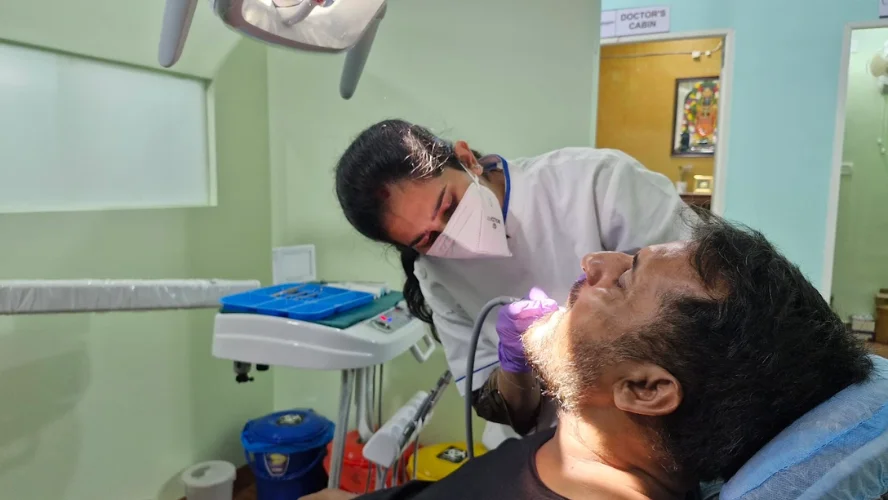
The dentist will perform a crown examination and X-ray analysis and gum health assessment to determine the underlying cause of the problem. The treatment approach depends on the specific problem that needs to be addressed.
1. Crown Adjustment for Bite Issues
The dentist can fix high bite problems and alignment issues through quick crown adjustments that involve minor polishing or reshaping.
2. New Crown Placement
The best solution for long-term pain relief involves replacing the current crown when it shows signs of damage or when it no longer fits properly.
3. Dental Filling for Under-Crown Decay
The dentist will perform a cleaning procedure to treat small decay under the crown through either a new filling or by replacing the crown.
4. Root Canal Treatment
Root canal treatment becomes essential when pain stems from root infections which require new crown placement after the procedure.
Are you searching for dependable root canal treatment in Patna? Consult Dr. Aishwarya, BDS, MDS (Gold Medalist) for skilled care, state-of-the-art treatment options, and long-lasting results.
5. Gum Treatment
The dentist will perform scaling procedures and deep cleaning and gum therapy to treat existing inflammation.
6. Night Guard for Teeth Grinding
Custom-made night guards help patients who grind their teeth by distributing crown pressure evenly throughout the night.
Treating crown pain is important, but it’s also necessary to prevent it to avoid future discomfort and problems.
Prevention Tips for Crown Pain
Here are a few prevention tips that you can follow in order to avoid the crown pain.
- Get regular dental check-ups every 6 months.
- Avoid eating ice, hard nuts and seeds that could harm your teeth.
- Make sure to get your regular check-ups every 6 months.
- If you grind your teeth, you can get a night guard for protection.
- Brush your teeth twice a day, floss and use correct flossing techniques.
- Get your crown checked regularly to avoid any issues.
- Regular preventive maintenance will prolong the life of your crown.
Sometimes, crown pain is unavoidable. Even after taking the necessary preventive measures, you may sometimes experience discomfort. It’s important to be aware of the available treatment options for pain and help you get back to your comfortable routine.
Dr. Aishwarya provides crown pain relief through her expert dental services. Proper diagnosis is necessary for the identification of crown pain.
At Dr. Aishwarya, B.D.S, M.D.S (Gold Medalist), we provide patients of all ages with comfortable dental treatments through our modern equipment and digital X-rays, and painless dentistry.
Her dental skill sets the clinic as the prime dental clinic in Patna for crown issue treatments and restoration dentistry & smile enhancement. You should seek immediate dental care because waiting for the pain to resolve on its own will lead to tooth damage and infection and expensive future treatments.
Conclusion
Your tooth needs protection from dental crowns but they should never cause you discomfort. If your crown hurts you need to consult your dentist right away to receive proper treatment. Early evaluation of crown pain delivers immediate relief to patients and protects teeth from developing further issues.
Expert dental evaluation becomes your best option when you experience crown pain or sensitivity. Dr. Aishwarya B.D.S. M.D.S. (Gold Medalist) delivers advanced dental crown treatment in Patna through her practice, which combines gentle care with precise diagnostics and enduring restoration solutions.
The clinic is one of the leading dental clinic in Patna for crown restoration and complete oral rehabilitation because it provides a comfortable environment with advanced equipment and dedicated patient care.
Having crown pain? Our team of dental specialists is here to assist you. Schedule an appointment with us today and we will thoroughly evaluate, treat and give you preventive care that’s personalized to your needs.